





Woman-The Silent Strength of a Nation
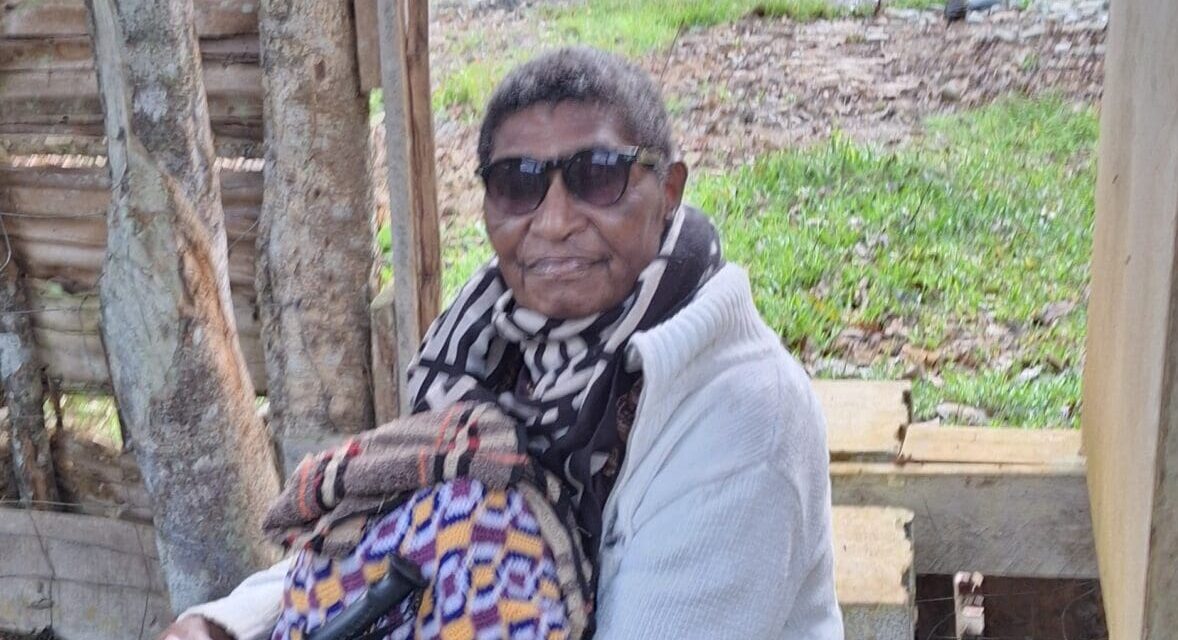
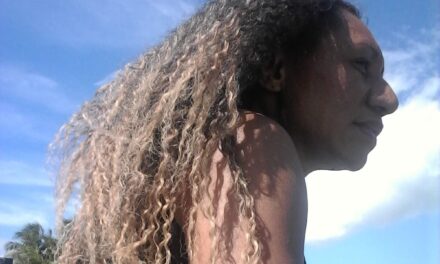
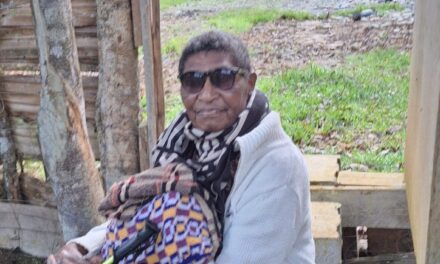
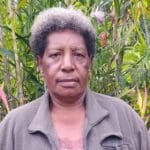
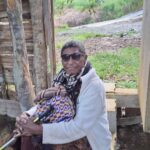
This is Ruth Thomas. She is in her 60s. She rasied 11 children and is a matriarch. PNG Herald located her at a prayer tower this month (Feb-2026). She spent her life as a prayer intercessor, interceding for her family and the Nation. It's women like this who carry the weight of a Nation, silently in their prayer closets-silent powerhouses that carry the soul of a Nation.
Issues Affecting Women in Papua New Guinea
By Staff Reporter | PNG Herald Feature
PORT MORESBY: In markets from Gordons to Goroka, in classrooms from Manus to Milne Bay, and in villages tucked beneath the highlands mist, the women of Papua New Guinea carry more than bilums. They carry families. They carry faith. They carry the economy.
Yet behind their resilience lies a complex web of challenges that continues to shape the lives of women across the country.
Papua New Guinea stands at a crossroads. As the nation advances toward economic growth, digital expansion and greater global engagement, the status of its women remains one of its most pressing and defining issues.
Gender-Based Violence: A National Crisis
Violence against women remains one of the gravest concerns facing PNG today. Community leaders, churches and advocacy groups continue to sound the alarm over domestic violence, sorcery accusation-related violence, and sexual assault.
Despite the enactment of the Family Protection Act, enforcement remains inconsistent, particularly in remote districts where police presence is limited. Survivors often face stigma, lack of safe houses, and pressure to reconcile rather than seek justice.
Gender-based violence is not just a women’s issue — it is a national development issue. It affects workforce participation, children’s wellbeing, healthcare costs and community stability.
Political Representation: Voices Missing at the Table
Papua New Guinea has struggled with women’s political representation since Independence. The legacy of Dame Carol Kidu remains historic — yet rare.
In the 2022 National Elections, no woman secured an open or provincial seat in Parliament. For a nation where women make up nearly half the population, this absence raises serious questions about systemic barriers — campaign financing, cultural attitudes, and political violence.
Without women at decision-making tables, policy outcomes risk overlooking maternal health, family welfare, education access and community-level economic empowerment.
Economic Participation: Backbone of the Informal Sector
Across the country, women dominate the informal economy. They sell garden produce, fish, betel nut, handicrafts and second-hand clothing. Their income feeds children and pays school fees.
Yet these women often operate without financial literacy training, access to banking services, market infrastructure, or protection from harassment.
Microfinance initiatives have made progress, but scaling support — especially in rural provinces — remains a challenge.
Education Gaps and Early Marriage
While primary school enrolment for girls has improved over the years, dropout rates remain concerning, particularly in rural areas. Factors include teenage pregnancy, school fee pressures, cultural expectations, and long travel distances to secondary schools.
Early marriage continues to affect girls’ educational outcomes in parts of the country. When a girl leaves school early, the economic ripple effects last generations.
Educated women reinvest in families, improve child health outcomes and strengthen communities. Education is not charity — it is strategy.
Health and Maternal Care
Maternal mortality remains a serious concern in remote and geographically isolated districts. Limited health facilities, shortage of skilled birth attendants, and transportation barriers contribute to preventable deaths.
Improving rural health systems is central to protecting women’s lives and the next generation.
Cultural Strength and Shifting Norms
Papua New Guinea is a nation of over 800 languages and diverse cultural traditions. In many communities, women hold significant influence within clan systems and church networks.
However, customary practices sometimes clash with constitutional rights — particularly around inheritance, land ownership and dispute resolution.
The conversation is not about erasing culture. It is about harmonising tradition with dignity, equality and justice.
The Way Forward
Solving issues affecting women in Papua New Guinea requires stronger enforcement of existing laws, safe houses and survivor support services, political pathways for female candidates, investment in girls’ secondary education, market infrastructure upgrades, rural health system strengthening, and male engagement programs.
This is not a women-versus-men debate. It is about national progress.
When women thrive, families stabilise. When families stabilise, communities prosper. When communities prosper, the nation rises.
Papua New Guinea’s future is inseparable from the status of its women. The strength of this nation has never been in question. The question now is whether its women will be fully empowered to stand — not just as survivors, not just as contributors — but as equal architects of Papua New Guinea’s next chapter.
About the Author:

Publisher- Christina Kewa-Swarbrick has over 20 years experience in the Media Industry and over 10 Years in Prophetic Engineering. She's a Holistic Life Solutions Coach, who combines her lived knowledge and experiences and her professional industry knowldege to help others. She's the founder of VISION4040 (PNG) and DBUM Bible Technology, a spiritual mapping system unlocking destiny blueprints . To engage her professional services go to this link: cks.vision4040.com




Recent Comments